
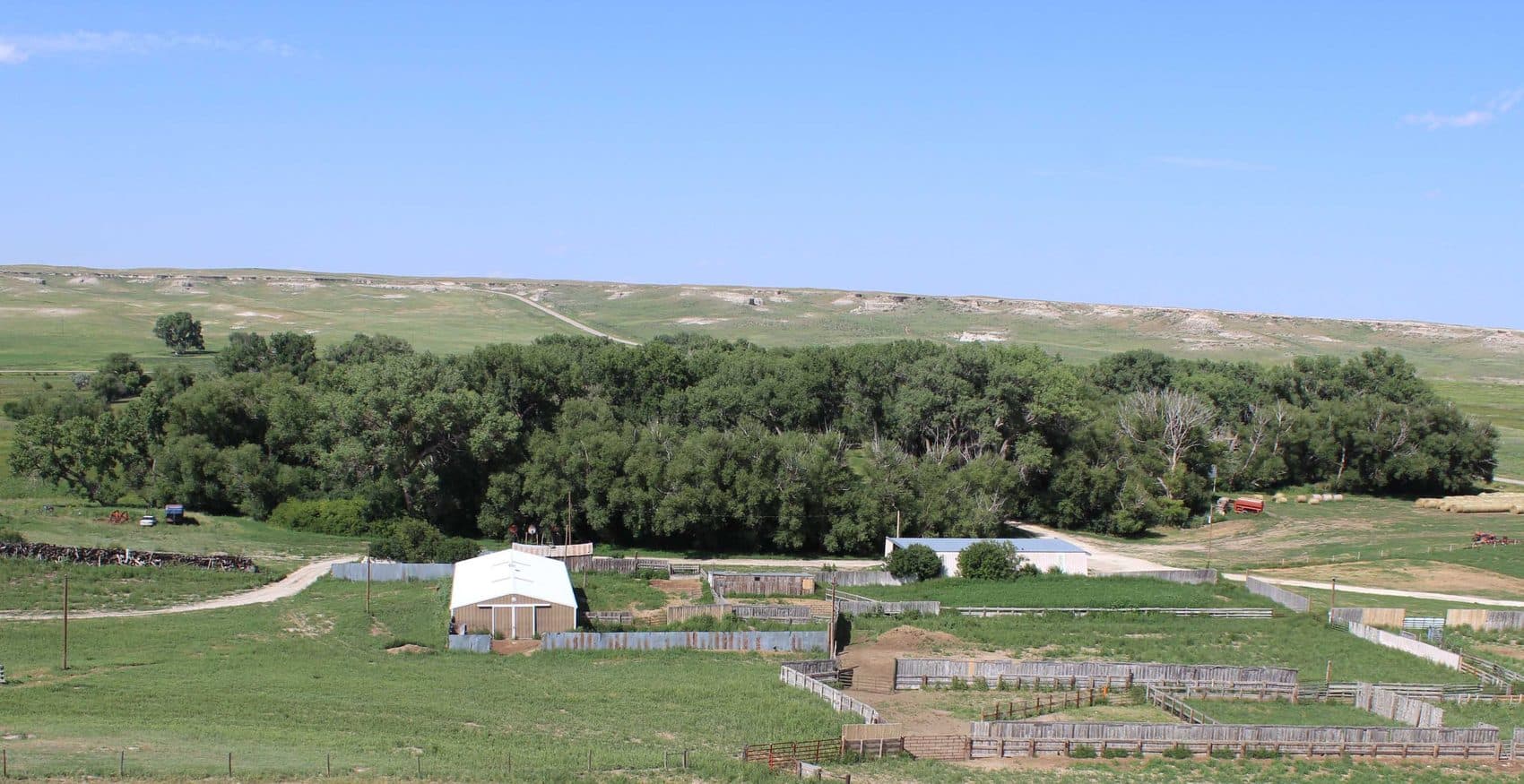
A green ribbon in dry country — the Niobrara, the bluffs, and a century of cottonwoods.
Agate Springs Ranch sits in the northwest corner of Nebraska's upper Niobrara River valley. Agate has been in our family for more than 150 years, and our family's imprint can be seen everywhere. But the land is also ancient, and we were not the first people here.
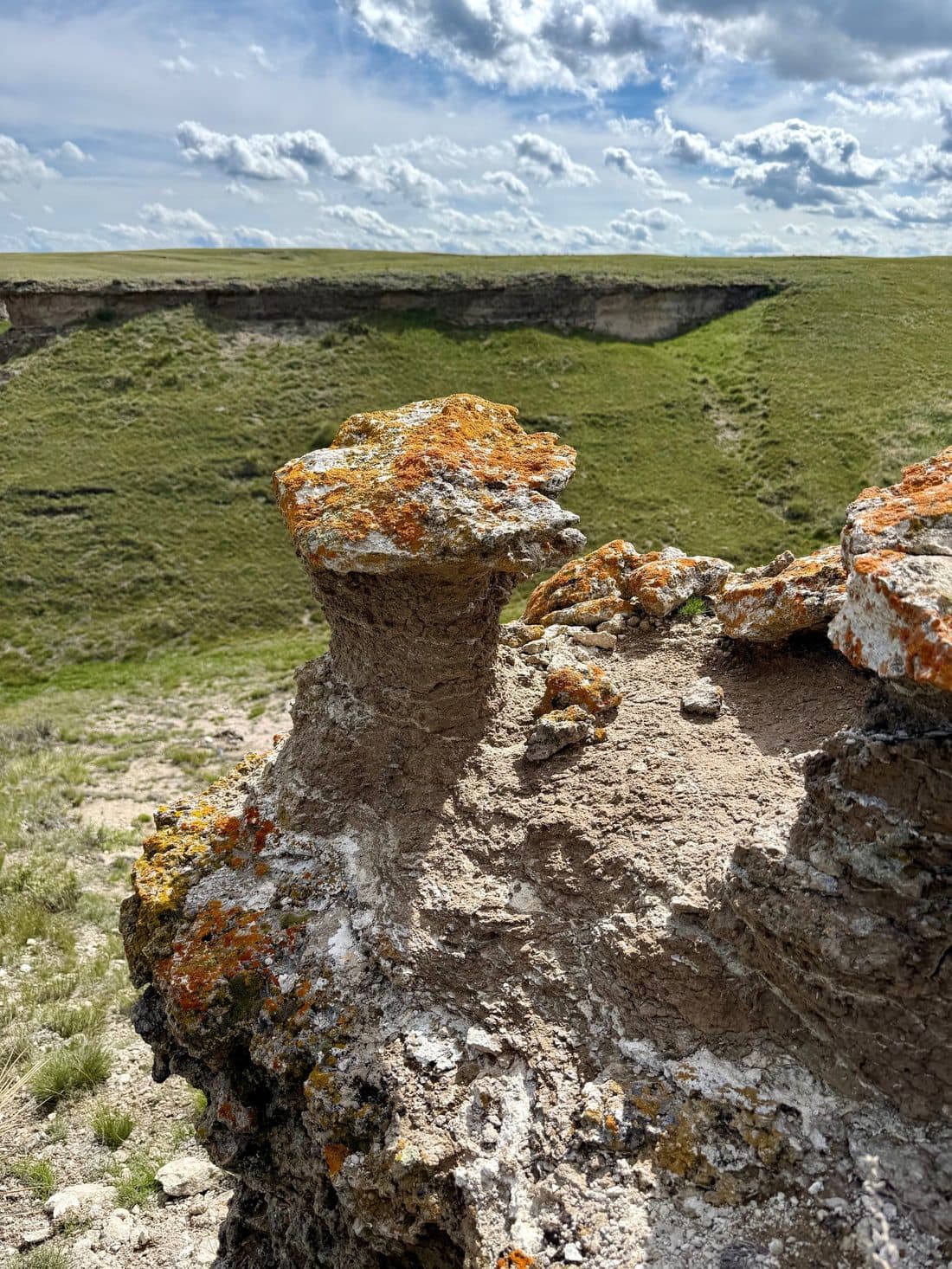
The Niobrara River threads the ranch from west to east, and its valley is a narrow ribbon of meadow, cool, watered, generous. Agate's lush valley is surrounded by nearly mile-high shortgrass prairie and dramatic sandstone bluffs, an austere landscape outside of the valley.
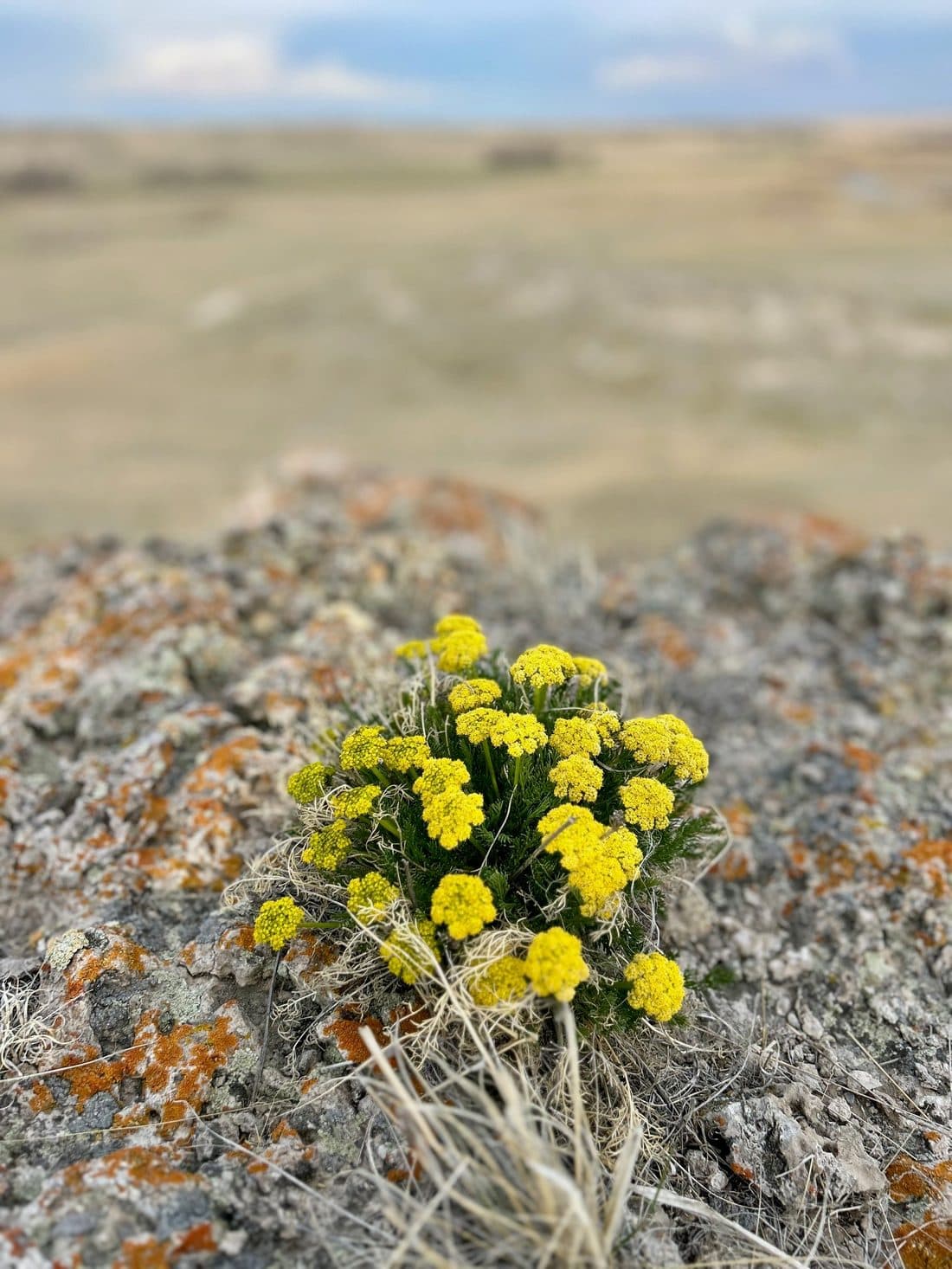
The plains surrounding Agate are a mixed-grass tapestry: prairie sandreed, blue grama, little bluestem, and sage. Pronghorn antelope cross the flats nearby. Mule deer bed in the draws between the hills. Meadowlarks sing from the fence posts. In the winter, the wind comes down from the Black Hills with nothing to slow it, which is why James Cook, more than a century ago, took care to plant trees to create the wonderful grove we now enjoy.
Those old trees still stand. Most of the willows and cottonwoods around the main house, now tall and broad, are one hundred or more years old. Walk under them on a summer evening and you will surely appreciate that someone planted them long ago, just as we plant trees and care for the ranch now, for future generations.
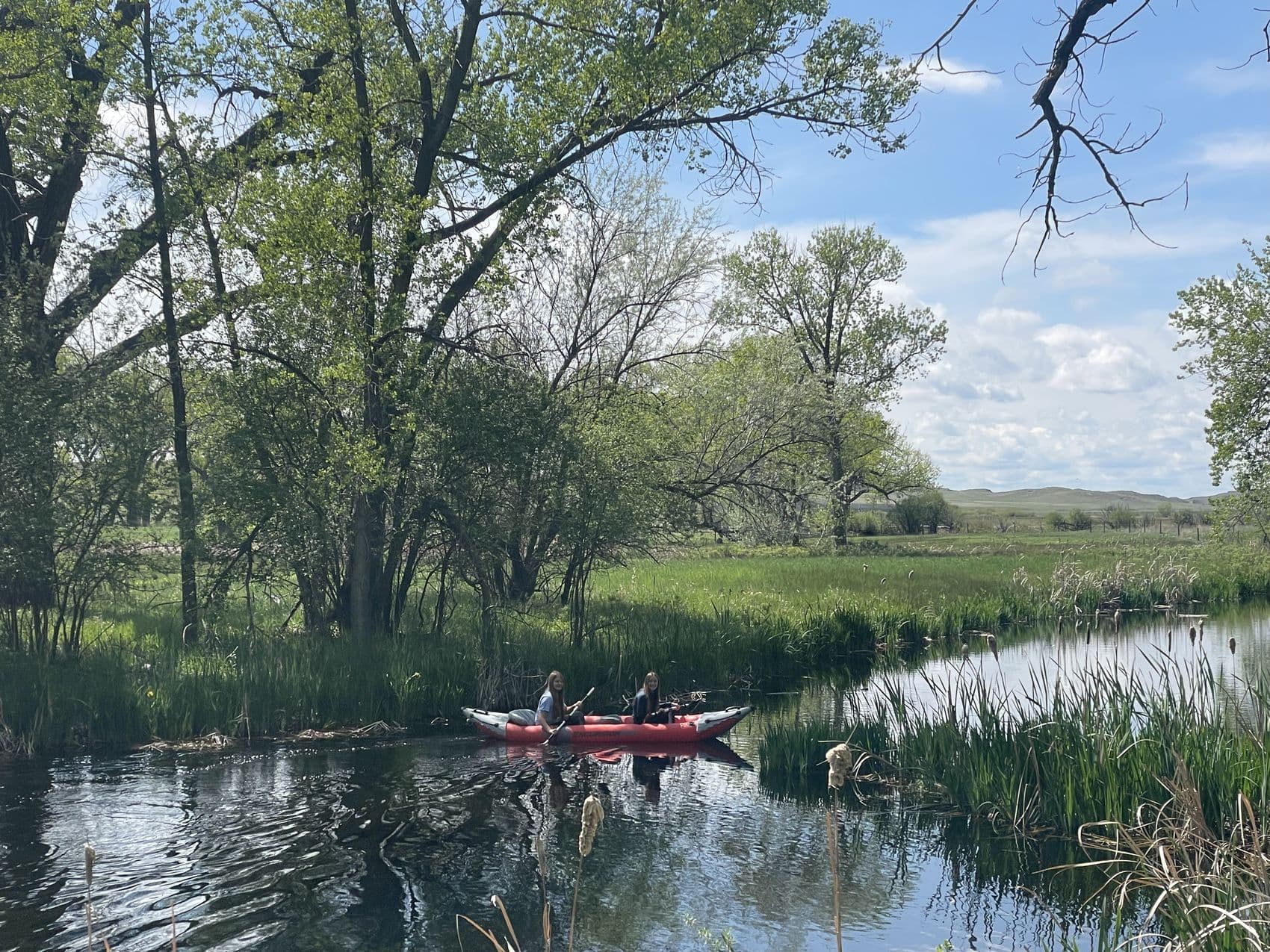
From Uncle John's 1915 fishing diary through Grayson Meade's campaign to restore the river after the 1965 poisoning, the Niobrara shows up again and again in the family's letters and journals. Selected passages, arranged chronologically, a fifteen-minute read that is one of the finest things the family has written about its place.
Read the Compilation →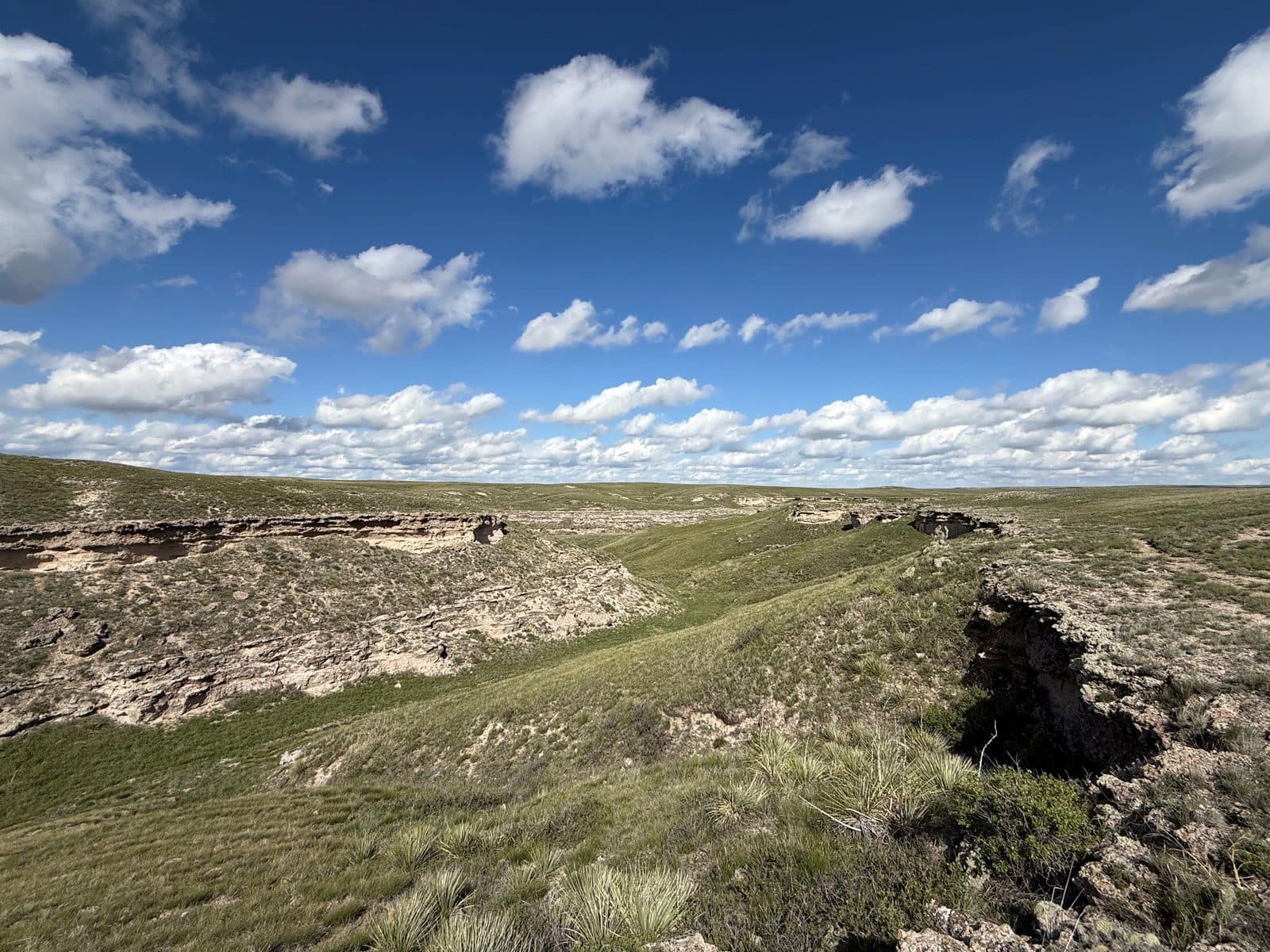
A short list of the birds, mammals, and grasses you will meet if you keep your eyes up as you walk the river.
The fastest land mammal in North America, crossing our flats at sixty miles an hour.
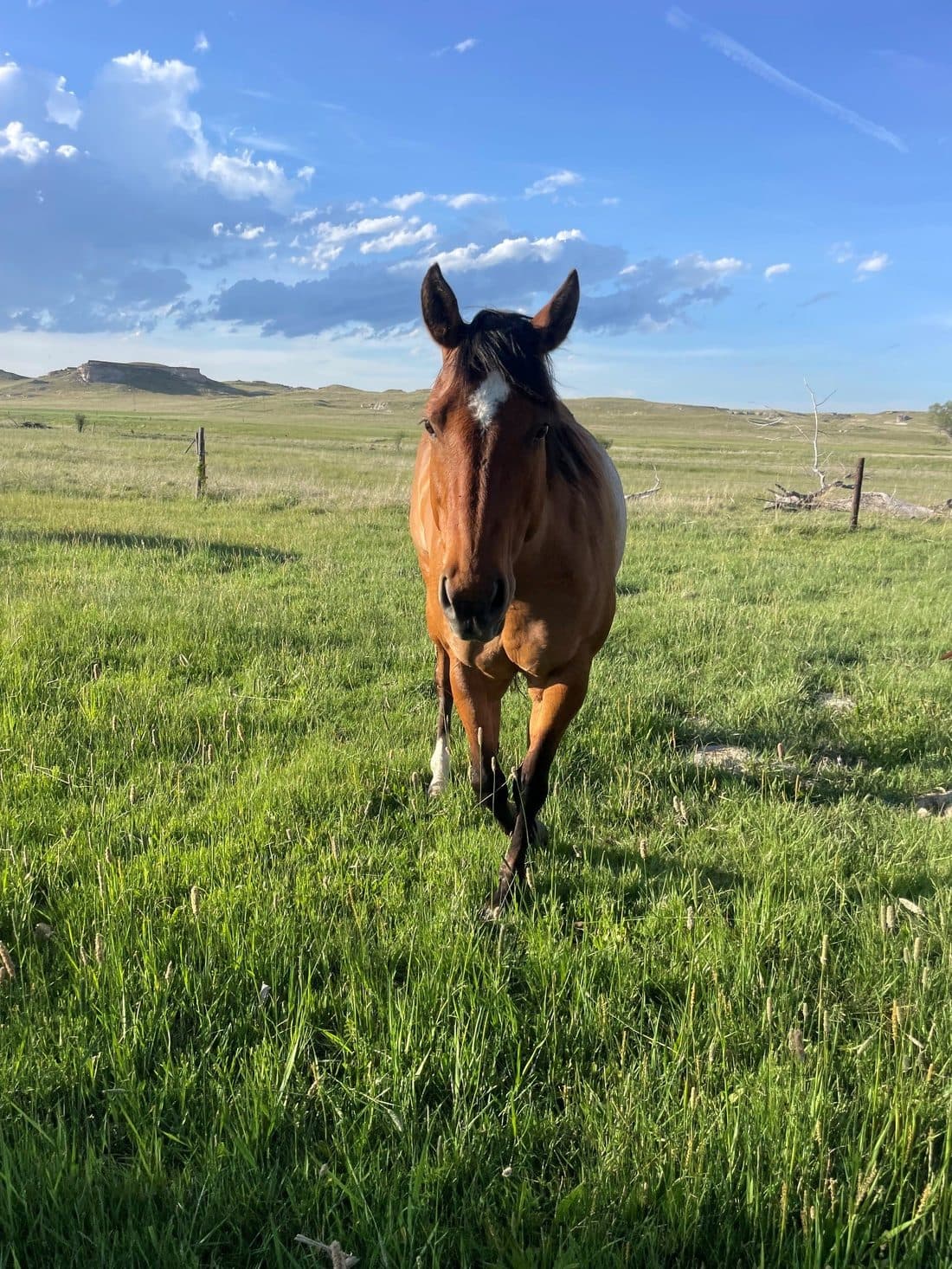
Bedded in the draws at noon; on the river at dawn and dusk. Our native deer.
Not originally native to these high plains, but now a common sight along the river bottoms.
A flash of white under the sage; cover for every hawk, coyote, and bobcat on the ranch.
Yipping in chorus from the ridges at dusk. Every ranch dog has opinions about them.
Shy, crepuscular, and here, if you are very patient. The neighbors know them better than most people.
Nebraska's state bird. You will hear it from every fence post in May.
Circling on thermals over the bluffs. You will hear the cry before you see the bird.
Along the river in winter, fishing from the cottonwoods. Not so rare as you would think.
Larger, darker, and more at home on the dry bluffs than its fish-eating cousin.
Gobbling at dawn in the cottonwood groves. They roost in the tallest trees along the river.
The tapestry underfoot: prairie sandreed, blue grama, little bluestem, and sage.
Spiky rosettes across the dry uplands. In June the tall cream bell-flowers light up the ridges.
Along the slow bends of the Niobrara and around the stock ponds. A nursery for red-winged blackbirds.
Round-stemmed giants of the wet margins. Ducks nest in them, muskrats eat them, fish hide under them.
Like any working ranch, Agate Springs follows a calendar older than the family, set by grass, weather, and cattle.
Calving through April. First green in the meadows. Cottonwood buds break in early May. The river runs high with snowmelt. Cranes pass overhead on the Platte flyway.
Annual shareholders' meeting in early June. Haying through July. Wildflowers peak: lupin, spiderwort, wallflower. Trout rising at dusk. The family gathers, often.
Cattle gathered from summer range. Weaning. Mule deer and pronghorn hunting in October. Cottonwoods turn gold along the river. The bluffs catch low light differently every day.
Feeding. Wind sweeps the snow into drifts against the windbreaks Cook planted. Coyotes cross the ice. The house stands quiet, kept heated to 50 degrees so the pipes do not freeze.
Agate Springs remains an operating cattle ranch, producing award-winning Angus beef. The working operation has been leased for many years to Jim and Maureen Skavdahl, long-standing tenants who run the herd and keep the country in hand while the land itself stays in the family partnership. The fences still follow the river. The barns are where Russell's crew built them. The cottonwoods are Cook's.
The ranch is not open to the public, but it remains, as it has always been, open to family. Family who return walk ground that has been walked by Oglala visitors, by paleontologists with plaster buckets, by seven generations of cousins and aunts and children, and by the Grahams themselves, in the first spring of 1879.